

Automotive
Short and repeated still adds up under the Noise at Work Regulations.
Run the 60-second check →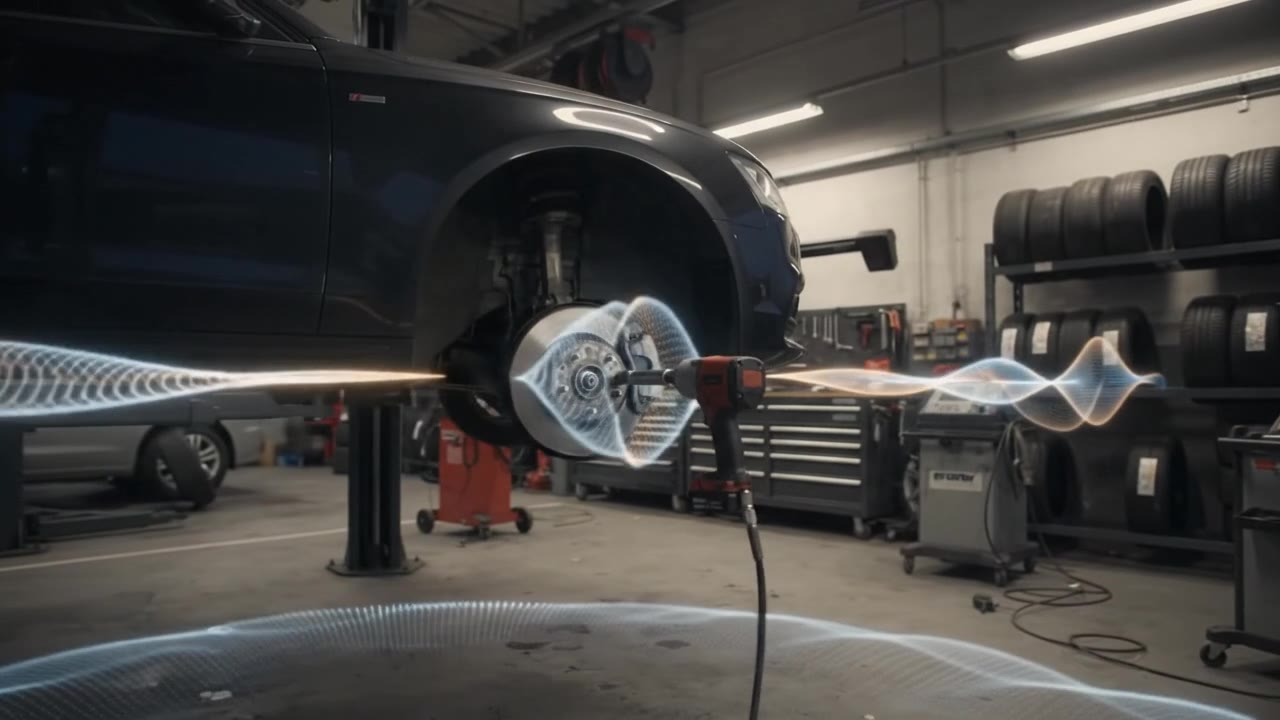
Panel beating peaks past 100 dB(A).
Short, sharp impact noise that the daily average can hide.
Spray booths add a steady background load.
Hours of extraction-fan and compressor noise across a shift.
One check, every bay.
Real exposure for each workstation, not one average for the workshop.
What the shift actually sounds like
An impact wrench is loud in short bursts — dozens of times a shift, every bay. Short and repeated still adds up under the Noise at Work Regulations.
Checked against the real action and limit values
A typical impact wrench shift settles between the two action values: 80 dB(A) lower action, 85 dB(A) upper action, 87 dB(A) exposure limit. Your own floor is only known once it’s actually measured.
What one assessment actually gives you back
Real exposure levels for your own site, zone by zone, checked against those figures — not a generic industry figure.
What one assessment actually tells you
One assessment totals it properly, bay by bay — the short, repeated bursts an impact wrench adds up across a shift, not just the obvious moment. That’s what tells you where your own workshop actually sits against the limits, not a generic industry figure.
Clear numbers. No guesswork on the workshop floor.
See exactly how the check works →Check your first bay
Seeing whether there’s a problem is free. You only pay once you know you want the report.
Works with